

December 7, 2025 | Osaka Church
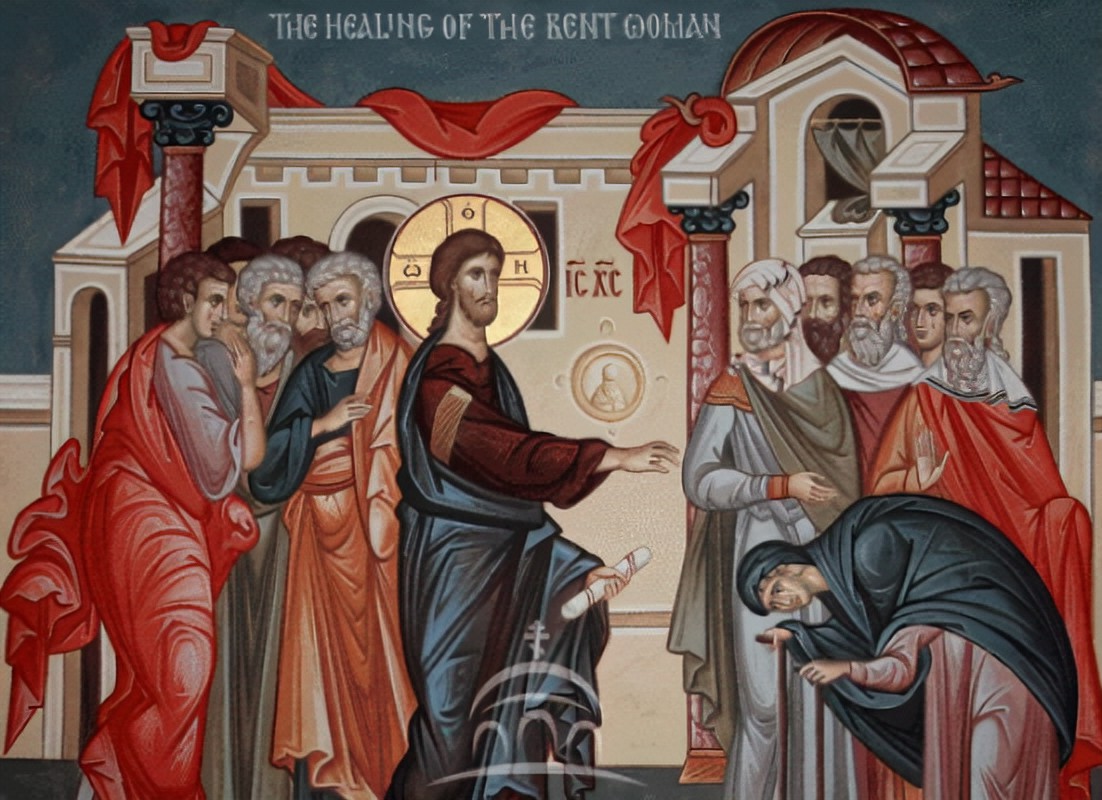
One Sabbath, people were listening to Jesus in the synagogue. Among them was a woman who had been bent over for eighteen years and was unable to stand up straight. The Lord placed his hands on her. The woman immediately straightened up and began praising God.
At that moment, the ruler of the synagogue suddenly became angry.
“Today is the Sabbath, and it is forbidden to heal.” He then turned to the people and said, “If you want to be healed, do it on another day.”
Hearing this, Jesus became enraged. “You hypocrites!”
In response to the ruler’s anger, Jesus himself responded with the fiercest anger, “You hypocrites!” He then declared:
Do you think Jesus’ anger was directed at their formalism and authoritarianism? No. It was directed at their cruelty; for instead of rejoicing with her when a human being was freed from long suffering, they responded first with anger at Jesus for breaking the rules.
Jesus’ anger must have quickly turned to deep sorrow, for he saw in the synagogue leader and those who sympathized with him a human illness far worse than that of the woman who had been forced to spend eighteen years bent over. A human being who could no longer love. Right before his eyes, within reach, a human being was healed. The woman, who had only ever watched her own tears fall to the ground, stood up, raised her hands to the sky, and began to praise God in joy. Seeing this, Jesus’ heart—which they assumed only felt indignation at the breaking of rules—was actually filled with sadness and a renewed compassion for humanity.
In fact, the people whom the Lord Jesus Christ healed through his death on the cross and resurrection were not those with physical handicaps—those hunched over from illness, those born blind, or deaf—but rather those of us who are healthy, earnest, and hardworking, yet who are unable to share even basic empathy. We who are unable to take other people’s pain as our own, or their joy as our own, or their sorrow as our own. This incident in which the woman, who had been looking only at the ground, rose again and, with her body now upright, looked up to the sky in thanksgiving represents us. We, who in fact have similarly looked down, who have become interested only in ourselves, have now once again looked up to God. We have restored the people we live with as irreplaceable individuals whom God loves so dearly. This was the salvation of mankind, the “God become man” Christ accomplished; mankind’s “new creation” by God. That is why this healing had to take place on the Sabbath, a day set aside from other days in order to glorify God’s creation.
We were healed to be able to love. Our previous inability to love died in the waters of baptism, which shares in the Lord’s death and resurrection. We then became one with Christ, who is the very embodiment of God’s love, and were resurrected as people capable of loving. You may feel that this sounds like something out of a fairy tale. But please, really please, the next time you feel the urge to raise your voice in anger, why not make the sign of the cross on your heart and hold back? The next time you are insulted and instinctively feel like raising your fist, why not place your hand on the cross on your chest and hold back? I’m sure you will be able to hold back at least once in a while. Don’t think of it as “just one time,” but thank Christ for “that one time” in the joy of having done it. Even if you fail, don’t give up. Why not stand up with King David and ask with a “broken heart” that “the joy of your salvation be restored to me” (Psalm 50/51).
If we die with anger, jealousy, hatred, or contempt in our hearts, then we have lived a failed life, even if we have practiced justice throughout our days and given mountains of money to the poor. And we must never forget, death is always before us.
Christ Jesus, the one who endured, forgave, and loved wholeheartedly, and above all, the one who was resurrected, is always with us.